Two weeks is the moment of truth for most Botox treatments. By day 14, neuromodulators like onabotulinumtoxinA have bound to their target nerve endings, synaptic transmission has quieted, and your facial muscles have settled into the degree of relaxation the injector intended. The early swelling, the minor asymmetries that show up in the first few days, the hyperawareness that leads you to test every expression in the mirror, all of that starts to give way to the more reliable picture. If you are wondering whether your results are final or if you should schedule a touch up, this is when I advise patients to take stock, ideally under the same lighting you used for your before photos.
I will walk through what a normal two week check looks like, what counts as a red flag, why some areas hit peak effect sooner than others, and how to interpret common quirks, like a heavy forehead or a quirky eyebrow. I will also cover how long results tend to last, when to plan your next session, and what to do if the outcome is softer than you hoped.
What a typical two week result should look like
At two weeks, you should see a clear difference between your Botox before and after photos. Forehead lines should be significantly softened, frown lines should be markedly reduced, and crow’s feet should bunch less when you smile. If you received baby Botox or micro Botox for a subtle result, the change may feel gentle rather than dramatic, but expression lines should be less etched at rest and during motion.
Patients often describe it like this: they can still raise their eyebrows, but they don’t see the same accordion effect across the forehead. Their “11s” don’t carve as deeply when they scowl at a bright screen. The eye area looks smoother in selfies and under overhead lights. The overall effect should read as refreshed rather than frozen, particularly if you aimed for natural looking Botox.
Downstream effects also show up around this time. Tension headaches linked to glabellar strain often ease up within 7 to 14 days. If you had masseter injections for jaw clenching or facial slimming, functional relief usually starts by the end of week one and continues to build, while visible contouring of the jawline unfolds more slowly over four to six weeks as the muscle volume recedes.
Why two weeks matters physiologically
Botox injections don’t “kick in” the instant the needle leaves your skin. After the botulinum protein is internalized by nerve terminals, it cleaves SNARE proteins that drive acetylcholine release. This takes time. Some patients feel a faint lightening of movement at day three, a more noticeable shift at day five to seven, and a steady strengthening of effect through day 10 to 14. By two weeks, the majority of receptor binding has occurred and the functional muscle relaxation is near peak. That is why most clinics schedule the Botox appointment follow up between day 10 and day 14 for assessment and possible micro-adjustments.
The range exists because muscles differ in thickness and fiber composition, and because product diffusion varies with injection depth, dilution, and dosage. Forehead lines can respond by day five to seven. Frown lines and crow’s feet commonly peak by day 10 to 14. Platysmal neck bands and masseters can take longer. If you had a lip flip, two weeks is also a fair checkpoint for balance between upper lip eversion and function, though tiny tweaks can still be done later.
How to evaluate your own result at two weeks
Use neutral, indirect daylight if you can. Look at the face at rest, then with animated expressions: full brow raise, gentle squint, and a frown. If you had an area like the bunny lines on the nose or chin dimples treated, add those movements. You are not judging the absence of expression, you are judging the reduction in wrinkle formation and the softness of the residual lines.
Pay attention to symmetry. Human faces are asymmetric, and Botox for eyebrows or forehead lines must honor that. One brow can sit higher naturally. Uneven sun damage and old habits like unilateral squinting complicate the map. We sometimes intentionally dose one side more lightly to avoid droop or to level a higher resting brow. That said, obvious mismatches at rest or in motion can be refined.
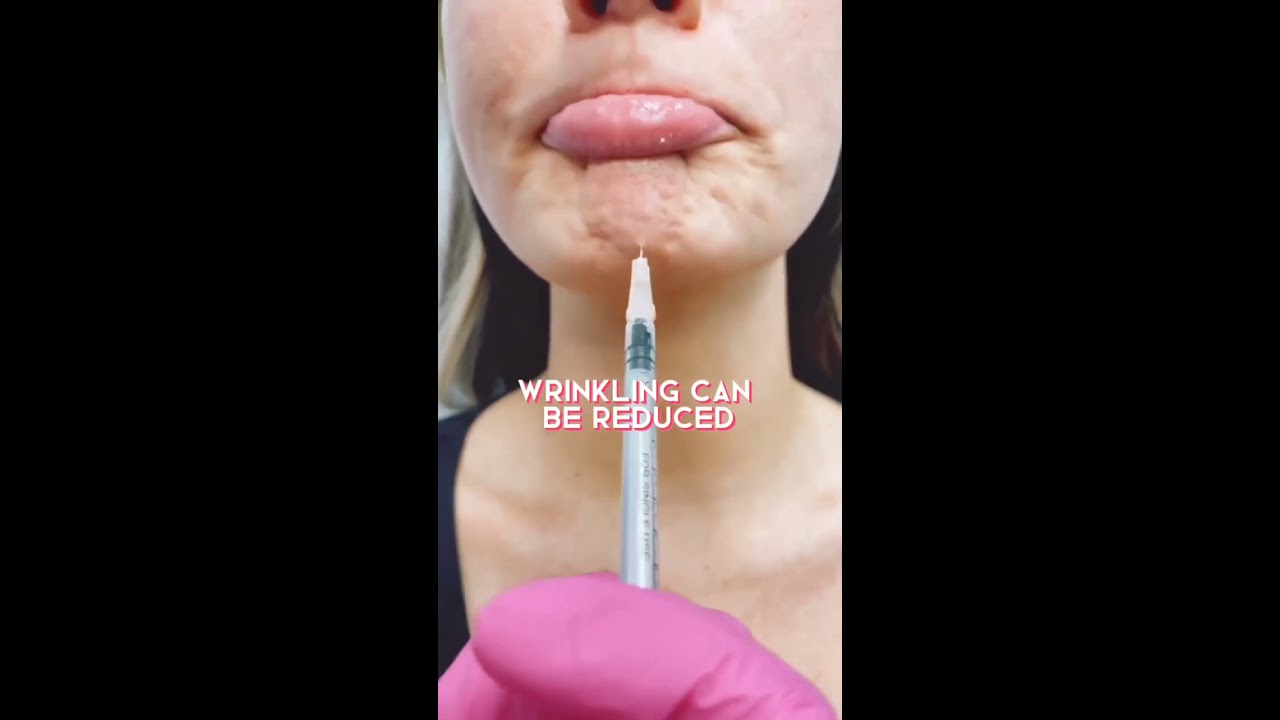
Finally, assess feel. Botox can create a paradox: your face looks relaxed, but you might feel an impulse to try harder to move forehead muscles that are partially inhibited. That urge fades as your brain recalibrates. If you feel tired or heavy when you attempt to raise your brows, it can be a sign the frontalis was over treated relative to the pull of the brow depressors.
Common two week scenarios and what to do
A result that looks too strong. If your forehead is flat and the brows feel heavy, the balance likely needs adjusting. A small dose to the brow depressors in the glabella or lateral orbicularis can free the tail of the brow and restore a gentle arch. I have corrected many “stuck” foreheads with 2 to 6 units placed in strategic points, not by dissolving anything, but by relaxing the opposing muscles.
A result that looks too weak. Under-treatment shows as persistent motion lines that look unchanged or only slightly softer. This might be due to conservative dosing, dense muscle, or faster metabolism. Small, targeted top-up injections can make up the difference. I prefer to under treat first timers and add at the follow up rather than overshoot and wait months to recover.
A “Spock brow.” This is a classic, the tail of the eyebrow shoots up because the lateral frontalis was left too active. The fix is easy, typically one or two tiny blebs along the outer forehead to release the peak. It is quick, and effects settle in a few days.
Lid heaviness or brow ptosis. True eyelid droop from spread into the levator muscle is rare with careful technique, but it can happen, especially if injections are too close to the superior orbital rim. Brow ptosis, where the entire brow complex sits lower, is more common if the frontalis is fully blocked in someone whose brow position depends on constant lift. Both are reasons to contact your provider. Some cases improve with time and therapeutic eyedrops, and future sessions can be mapped to avoid it.
Smile quirks after a lip flip. If speech or straw use feels clumsy, it usually eases within a week or two more as you adapt. If the flip looks uneven, a micro touch up can balance it. Go cautiously, as small changes around the mouth have big functional impact.
Neck band improvement lagging. Platysmal bands often need two sessions, spaced two to four weeks apart, to fully relax. At two weeks, if cords still pop strongly, you may simply need more coverage or a second pass.
What is final at two weeks and what is not
By two weeks, the degree of muscle relaxation is near final for most facial areas. The surface of the skin, however, tells a longer story. If you had etched lines that linger at rest, Botox for fine lines will stop the repeated folding that carved them, but you will need time, hydration, collagen support, and sometimes other treatments like microneedling, lasers, or fillers to remodel the dermis. Expect those etched creases to look shallower by two weeks, yet not fully erased.
In the lower face, some changes keep evolving. Masseter reduction for facial slimming, for example, continues to show improved contour over weeks to months. For hyperhidrosis, reductions in sweating often hit a nice stride by week two but can keep improving for several more weeks as sweat gland activity quiets under the influence of reduced cholinergic signaling.
Touch ups at two weeks: when and why
Most Botox sessions include a two week review to decide whether a touch up is warranted. Good candidates are those with residual motion in a target line that undermines the goal, visible asymmetry that looks unintentional, or a brow shape that feels off. The touch up is typically a fraction of the initial Botox dosage, and it is done with precision. A few units can make an outsized difference, particularly around the tail of the brow or the lateral crow’s feet.
Avoid chasing perfection with too many passes. Each injection carries a small risk of bruising or spread. One measured refinement at the two week mark is smarter than a flurry of interventions. If you are debating between a touch up and waiting, consider your timeline. If you have an event in one week, a conservative tweak now makes sense. If you have no deadline, and your concern is subtle, letting your brain and skin adapt for another week can spare you from overcorrection.
What two weeks tells you about longevity
Two week performance is predictive. If your result looks strong and balanced at day 14, you will likely enjoy a steady plateau for six to ten weeks before gradual softening. If the effect is modest at two weeks, the arc may be shorter. In my practice:
- Forehead and frown lines hold 3 to 4 months for many patients, sometimes five, occasionally as brief as 8 to 10 weeks in very active, athletic individuals or those with fast metabolism. Crow’s feet respond well for 2.5 to 4 months depending on smile intensity and sun exposure. Masseter reduction for clenching can reduce symptoms for 3 to 6 months. The cosmetic slimming effect often lasts longer after repeat sessions as the muscle deconditions.
Plan your next appointment based on your personal fade curve rather than a generic calendar. Some prefer preventative Botox at the first sign of returning motion. Others wait until lines reappear fully. Neither is wrong. The best cadence preserves your preferred look without driving dosage unnecessarily high.
A realistic timeline from day 0 to day 90
Day 0. Your Botox appointment involves mapping muscles, discussing goals, and precise Botox injections placed intramuscularly with tiny needles. Expect mild spots of bleeding and potential Botox swelling and bruising that settle quickly.
Days 1 to 3. You may see small bumps at injection sites for a few hours. Movement begins to feel slightly different by day two or three in responsive areas. Avoid heavy pressure, facial massages, and strenuous inverted workouts immediately after treatment. Light movement is fine. If you ask can I work out after Botox, I suggest 24 hours for high intensity workouts, 4 to 6 hours for gentle exercise, as a practical compromise to minimize spread risk.
Days 4 to 7. Effects build briskly. This is when some people worry they were under treated, then wake up on day six with a clearer change. If you had Botox for migraine relief, this window often brings the first break in symptoms.
Days 8 to 14. Peak or near-peak effect for the upper face. Schedule your Botox consultation follow up around here if your clinic offers it.
Weeks 3 to 8. Plateau. Skin quality often looks better not just because muscles are quieter, but because makeup sits smoother and you are not repeatedly creasing the same areas.
Weeks 9 to 12+. Gradual return of motion. Fine lines may start to sneak back. If you prefer to stay ahead of it, this is when to consider your next Botox session. If you are tracking how long does Botox last for you, jot down when you first notice movement to refine your schedule.
When two weeks brings surprises
First timers sometimes panic at two weeks if the result feels “not like me.” That is not failure; it is your nervous system adjusting to new feedback from facial muscles you have been driving the same way for years. I have coached many patients through this period. Two tricks help. Stop trying to force expressions botox in Ann Arbor, MI when you look in the mirror, and watch your face in motion in real life instead. Video yourself during a normal conversation in good light. Often the look reads far more natural than it feels.
If the surprise is more serious, like a droopy eyelid, contact your injector. Timely guidance matters. Apraclonidine or oxymetazoline eyedrops can lift the upper lid a millimeter or two temporarily by stimulating Müller’s muscle, taking the edge off while the toxin effect naturally diminishes. Future mapping can raise injection points or reduce units medially to avoid recurrence.
What results cost, and how to evaluate offers
Botox cost varies across regions and practices. You may see pricing by unit, by area, or bundled as Botox deals or Botox specials. Cheaper is not always better. The price reflects not just product, but assessment skill, sterile technique, time spent mapping, and the follow up policy. A clinic that charges a fair price per unit and gives you honest dosing based on your anatomy generally delivers better value than a rock-bottom Botox price that forces a one-size-fits-all plan.
For a rough framework, glabella lines often use 15 to 25 units, the forehead 6 to 16 units depending on width and brow dynamics, and crow’s feet 6 to 12 units per side. Men frequently need higher units because of stronger muscle mass. If you ask how much Botox do I need, the only honest answer is, it depends on your muscle size, strength, and desired outcome. Start with a thoughtful Botox consultation rather than a coupon alone.
Safety, side effects, and normal recovery at two weeks
By two weeks, the nuisance side effects most people notice immediately after a Botox cosmetic treatment have resolved. Tenderness at injection sites fades within a day or two, bruising within several days to two weeks. A mild headache in the first 24 hours is not rare. Small asymmetries, like slightly more lift on one side, can still be present and are precisely the reason follow ups exist.
What does not belong at two weeks: spreading weakness into unintended areas, double vision, difficulty swallowing, generalized fatigue that feels systemic. These are very uncommon with cosmetic dosing, but any concerning symptom warrants a call to your provider. With decades of data, Botox has an excellent safety profile when used appropriately. Is Botox safe long term is a common question. Most evidence and clinical experience support repeated use without cumulative harm to skin or facial tissues. Muscles can slim with repeated relaxation, which some people like for a softer look. If you prefer to maintain strength, spacing sessions or reducing units is an option.
How Botox interacts with other treatments
At two weeks, many patients ask about combining Botox and fillers together. It is a sensible pairing when the goals differ: Botox calms motion, hyaluronic acid fillers replace volume or refine contour. If etched lines remain after a successful neuromodulator treatment, a tiny line of filler or skin booster can polish the surface. Devices like microneedling, gentle lasers, or light peels can also be timed a week or two after Botox to support texture and tone. If you are exploring Botox vs fillers for a specific concern, remember that moving lines belong to Botox first, sunken or static folds belong to fillers or other volume strategies.
Edge cases at the two week check
Preventative Botox for younger patients. At two weeks, the change can be minimal by design. You are training muscles not to over recruit without removing expression. The benefit accrues over years as creases simply never carve deeply.
High foreheads or low-set brows. These patients are prone to feeling heavy if the frontalis is fully blocked. A mapping strategy that preserves central lift while softening lateral pull gives better comfort and shape. If heaviness shows up at two weeks, releasing the depressors can rescue the look.
Crow’s feet on deeply sun-damaged skin. The muscle quiets beautifully, but residual etched lines remain. You will see improvement at two weeks, yet the final polishing may require skin-directed treatments. A plan that layers Botox for motion and resurfacing for texture yields the best Botox results.
TMJ and teeth grinding. Jaw tension relief can be profound by two weeks. If chewing feels odd or weak on very hard foods, that is expected. Most adapt quickly, and dosing can be fine-tuned seasonally if symptoms fluctuate.
Hyperhidrosis. For underarms, palms, or forehead sweating, two weeks brings meaningful dryness. Touch ups are rare if coverage was comprehensive, but stray moisture islands can be patched.
My approach to the two week visit
I ask patients to bring their before photos and to arrive with a clean face. We look at rest and in motion, then I listen. I want to know what they notice day to day rather than only what the camera sees. If an eyebrow feels mischievous or a smile looks stiffer in videos, we solve for that, not merely for still images.
I keep top-ups conservative. Subtle Botox is powerful when you place it where the muscle is actually over-performing. I avoid chasing every faint line, especially in the lower face where function matters. Balance beats maximal suppression if you want Botox longevity with a natural look.
I also plan forward. If someone fades faster than they hoped, we discuss whether to increase units next time, shorten the interval, or adjust placement to catch the strongest fibers. If someone wants more motion, we taper units or skip certain zones. The ideal schedule is personal. How often can you get Botox depends on your goals, but three to four sessions a year is common for the upper face, less for larger muscles like the masseter once a baseline is established.
Troubleshooting: when things are not right at two weeks
Botox gone wrong is a charged phrase, but genuinely adverse cosmetic outcomes do happen. If your brows are asymmetric to a distracting degree, if one eyelid sits noticeably lower, or if your smile is altered beyond what you expected, contact your injector. Many issues have partial fixes that improve function and appearance while time does the rest.
If communication breaks down or you feel dismissed, seek a second opinion. Another experienced provider can assess whether a touch up, counterbalancing injection, or simply patience is the smarter path. Bad Botox is usually temporary. How to fix bad Botox often comes down to technique and restraint: add a few units in a counter muscle, avoid stacking too much product in one session, and mark the map for next time to avoid replicating the problem.
Practical expectations for the months ahead
If you like your two week result, lock in your next Botox maintenance session on your calendar even if it is months away. Treat it like dental cleanings: predictable, not urgent. If you are experimenting with the best time to get Botox before a wedding or photos, aim for 4 to 6 weeks before the event. That gives you the peak look plus a comfortable buffer for any refinements.
For those watching budget, ask about pricing by unit versus by area, and how your clinic handles touch ups. A practice that includes a small refinement at two weeks, or charges a nominal fee, can be more cost effective than a place with lower headline pricing but no follow up flexibility. Botox offers that bundle multiple areas can be worthwhile if they align with your goals, but skip add-ons you don’t need. Remember that the cheapest Botox near me is not the same as the best Botox results.
A few guardrails to keep results consistent
- Treat in the same lighting for mapping and follow ups when possible. It sounds trivial, but harsh overhead light versus soft window light changes how lines appear and how we judge outcomes. Be honest about habits that affect Botox longevity. High-intensity training, sauna use, and very fast metabolism correlate with shorter duration in a minority of patients. It is not a reason to avoid fitness; it just informs dosing and timing. Track your personal Botox timeline. Write down the day you notice peak effect and the day you first see movement return. Two or three cycles of data will reveal your pattern better than guesswork.
Final thoughts at the two week checkpoint
Two weeks after Botox treatment is the right time to evaluate, not to panic or to nitpick yourself into chasing every millimeter of symmetry. Most results at this stage are very close to final, and small adjustments, if needed, are straightforward. The hallmark of great Botox for wrinkles is not an immobile face. It is a face that looks well rested, where lines no longer broadcast fatigue or frustration, and where expressions still read as you.
Whether you came for forehead lines, crow’s feet, a subtle brow lift, relief from jaw tension, or to keep future creases at bay with preventative dosing, day 14 gives you the clearest view of how the session landed. Use that information to calibrate your next appointment, fine-tune your map, and build a rhythm that supports both your aesthetic and your daily life. When done thoughtfully, Botox becomes maintenance rather than drama, a quiet intervention that keeps pace with time without announcing itself.